
Leadership in the AI Age - Part 1
Author: Paul Harman, Partner nem Australasia
Last updated: 6 October 2026
Part 1. When Answers Are Cheap, Judgement Matters More
This three-part series explores how AI changes the everyday work of leadership. Each article starts on a Monday morning and considers what leaders need to do differently. Part 1 examines judgement: how to question AI-generated advice and take responsibility for the decisions that follow.
On Monday morning, a leader opens a briefing prepared with AI. It is clear, confident and neatly structured. It summarises the problem, weighs the options and recommends a course of action. Work that might once have occupied much of the morning is ready before the first meeting.
What does the leader do next?
Accepting the recommendation without examination would confuse a polished presentation with sound reasoning. Dismissing it simply because AI helped produce it would waste a potentially useful contribution. The leadership task is to interrogate it: What assumptions sit underneath this advice? Whose perspective is missing? What would happen if we were wrong?
On 18 September 2026, CNN reported, citing sources familiar with the episode, that US forces had prepared to board a Chinese ship after an AI-assisted intelligence report incorrectly identified its cargo. Officials discovered the error shortly before the planned operation. The setting is different, but the lesson applies in business: consequential advice needs verification, however convincing its presentation.
For many leaders, professional credibility has been built on expertise: knowing the business, understanding the detail and having answers when others do not. AI increases the importance of how leaders frame problems, test evidence and exercise judgement. AI can produce a confident and plausible answer in seconds, but that does not make the answer sound. The harder task is framing the problem, testing the evidence and deciding what matters. Domain expertise still matters it helps leaders recognise omissions, question assumptions and know when specialist advice is needed.
Consider a proposal to reduce customer service costs. An AI-generated analysis might suggest shorter interactions, greater automation and fewer escalation points. Each recommendation could appear reasonable against a cost target. A leader must also ask how those changes would affect a distressed customer, a complicated complaint or a relationship the organisation cannot afford to lose.
A lower-cost service may still be a worse service. The decision depends on what the business is prepared to risk.
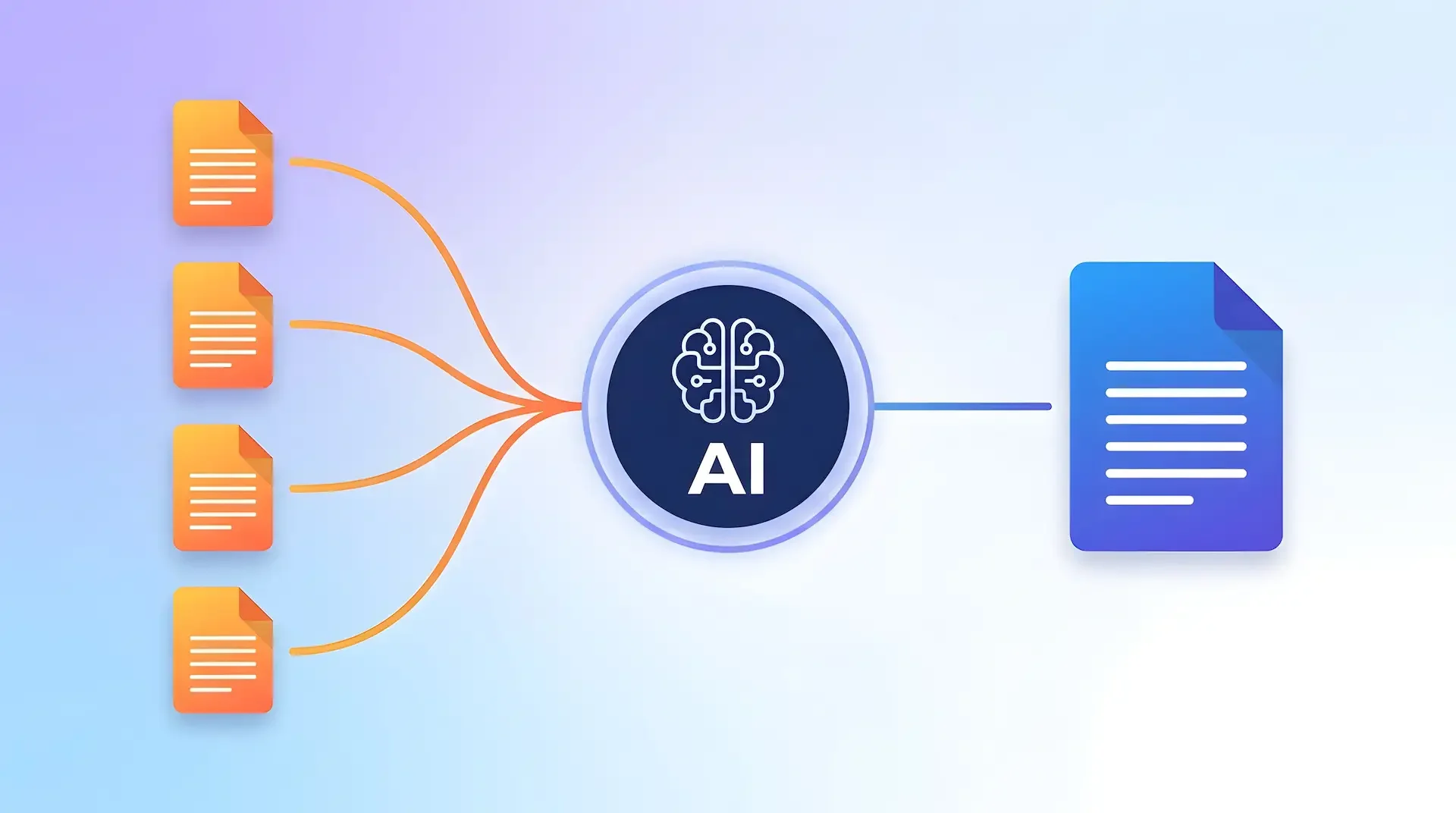
Judgement is the ability to decide what the information means in this situation. It draws on evidence, experience, values and an understanding of the consequences. AI can contribute to that process. Using it does not remove the responsibility of the people and organisations making the decision.
Leaders should not review every use of AI in the same way. Drafting a routine update may require a light review. A recommendation affecting someone’s employment, a major investment or customer safety deserves much closer scrutiny. The level of review should reflect the consequences of error.
This also changes how leaders conduct meetings. If AI makes it easier to prepare summaries and options, meeting time can shift towards examining trade-offs. Instead of spending twenty minutes repeating a document, the group can explore where it disagrees, which evidence is weak and what conditions would change its view. Make it safe for people to question AI-supported recommendations, including your own, and to admit when they do not understand how an answer was reached.
Leaders also need to watch their own biases. An AI response may feel especially persuasive because it confirms what they already wanted to do. When that happens, they should seek the strongest opposing case. Confidence should reflect the strength of the evidence and the scrutiny the recommendation has received.
The opportunity is to use the time saved on preparation to pay closer attention to decisions. That requires leaders to stay curious, be open about what is uncertain and explain the reasoning behind their choices.
On Monday morning, start with three actions:
Reframe one question. Before asking AI for a recommendation, define the decision, the people affected and the constraints that matter.
Challenge one convincing answer. Check its important claims, ask what would make its conclusion wrong and invite someone else to identify what has been missed.
Make responsibility clear. For one AI-supported decision, name who will verify the information, approve the action and review the result.
AI can help leaders work faster and consider more options. It cannot take responsibility for what happens next. That remains the leader’s job.
Source: Lillis, K. B., & Cohen, Z. (2026, September 18). Exclusive: US military had close call after using AI for false intelligence report, sources say. CNN.